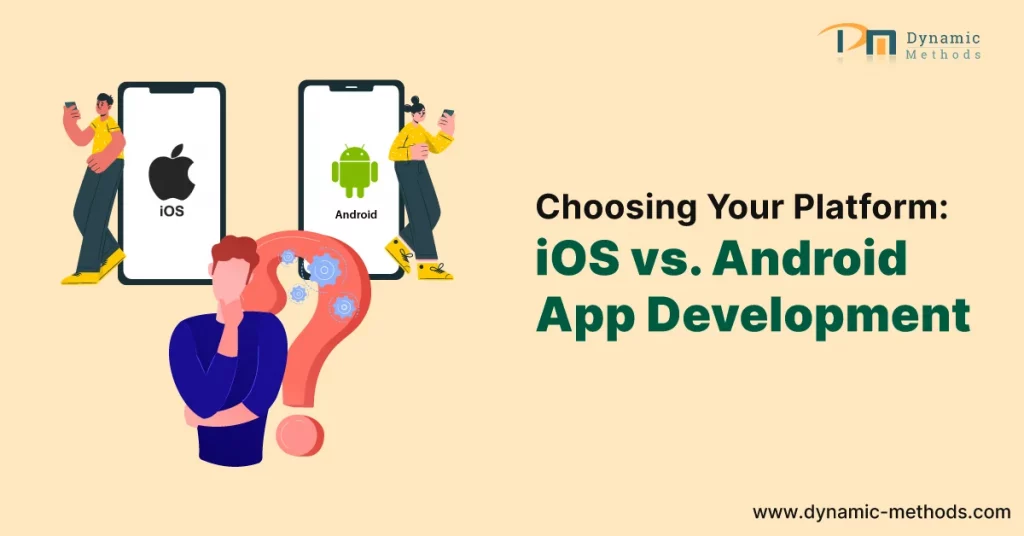
Mobile App Development: How to Choose Between iOS and Android Platforms
A Beginner's Guide to Making the Right Decision
In the ever-evolving world of mobile app development, choosing the right platform is crucial for success. With iOS and Android dominating the market, developers often face the dilemma of which one to target. Both platforms have their strengths and weaknesses, making the decision a challenging one.
In this beginner’s guide, we’ll walk you through the key factors to consider when choosing between iOS and Android for your app development project. By the end of this article, you’ll be better equipped to make an informed decision that suits your goals and target audience.
1. Understanding the Basics of iOS vs Android
iOS : The Apple Ecosystem
Android : The Open Source Giant
2. Target Audience and Market Share
Who is Your Target Audience?
- Are you developing for a specific demographic?
- What are the preferences of your potential users?
Market Share
- Which platform holds a larger market share in your target region?
- Do you want to tap into a global or niche market?
3. Development Tools and Resources
iOS Development Tools
- Xcode: serves as Apple's all-in-one platform for creating iOS applications.
- Swift: Apple's programming language, known for its performance and safety.
- Objective-C: An older but still widely used language for iOS development.
Android Development Tools
- Android Studio: stands as Google's go-to software for crafting Android applications
- Java: The traditional language for Android development.
- Kotlin: A more modern and preferred language for Android development.
4. Monetization Strategies
iOS
- The App Store has a reputation for higher user engagement and willingness to pay for apps.
- In-app purchases and subscriptions are common monetization strategies.
Android
- The Google Play Store has a more extensive user base, but users are often less willing to spend on apps.
- Ad-supported models and freemium apps are prevalent on Android.
5. App Development Costs
iOS
- Creating for iOS tends to be costlier because of the requirement for Apple-specific hardware and software.
- The app review process may lead to additional development time and costs.
Android
- Android development is generally more cost-effective since it doesn't require specific hardware.
- The diverse device landscape can lead to additional testing costs.
6. Fragmentation vs. Uniformity
iOS
- Apple has strict control over its hardware and software, resulting in a consistent user experience.
- You'll need to cater to a limited range of device configurations.
Android
- Android's open nature leads to a wide range of devices, screen sizes, and resolutions.
- More testing and optimization may be required to ensure compatibility.
Conclusion
Choosing between iOS and Android for your mobile app development project is a crucial decision that can impact your app’s success. Consider your target audience, development tools, monetization strategy, budget, and fragmentation preferences carefully. Dynamic Methods provides mobile app development services to our clients and has a team of skilled professional. you may create an app that is both successful and well-received by making an informed decision. Contact us.
Frequently Asked Questions (FAQs)
1. Can I develop for both iOS and Android simultaneously?
2. Which platform generates more revenue for developers?
3. How long does it take to learn iOS or Android app development?
4. What are the most popular categories of apps on each platform?
Mobile App Development: How to Choose Between iOS and Android Platforms Read More »







 INDIA OFFICE
 CANADA OFFICE